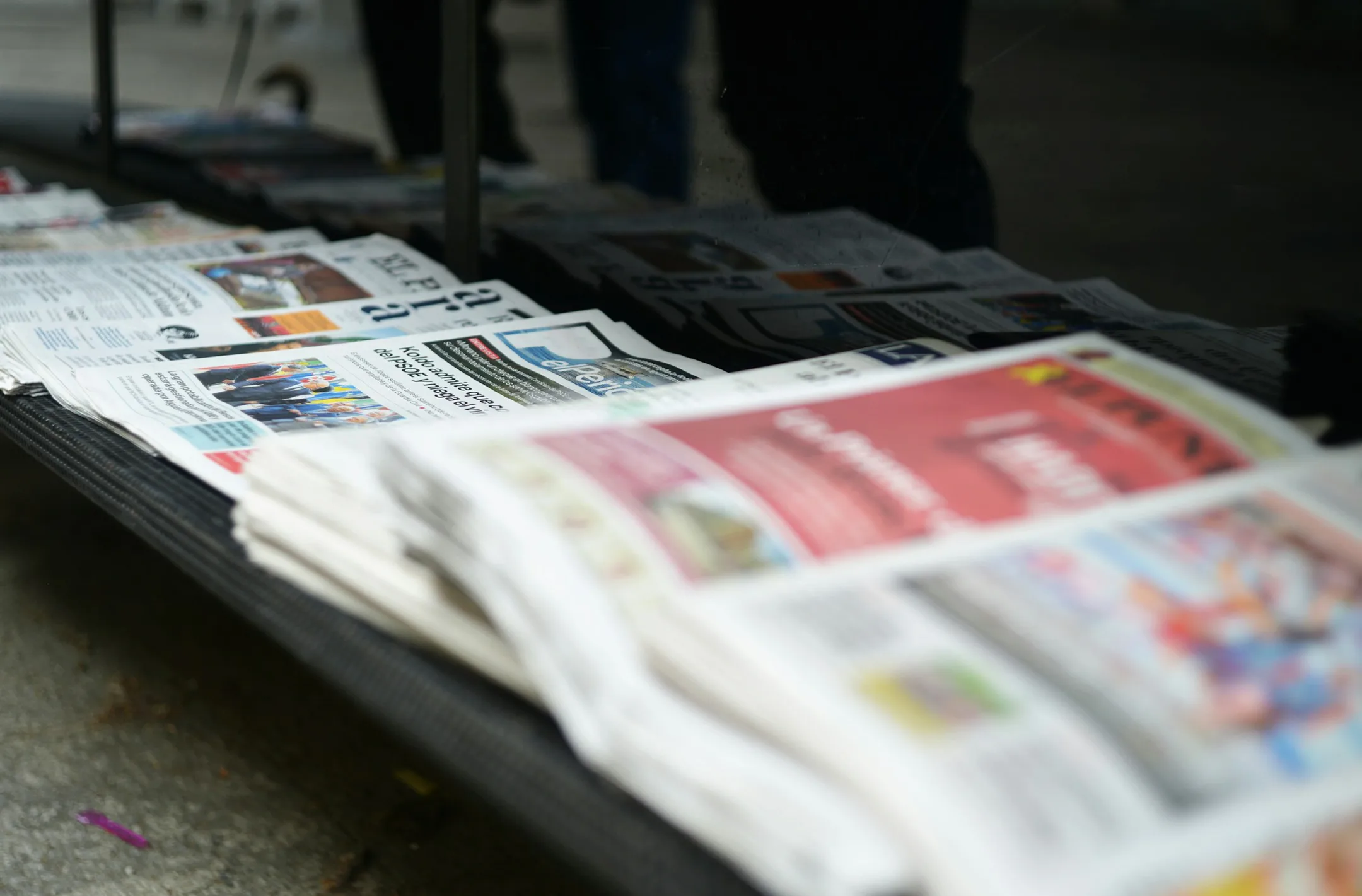
Outsourcing Pullout Sections and Special Publications

To outsource special sections well, plan from your calendar: sort each special into recurring or one-off, bring the production partner in when sales planning starts rather than after ads sell, and give them a grid, ad rules and a cover direction before the first page is built. A newspaper consultant's checklist makes the same point: advertising, news and production should all join planning from the start. This guide shows how to turn that into a calendar, a backward-planned roadmap and a handoff brief.
Why specials strain a daily production desk
Special sections are project work stacked on top of the daily paper. The Minnesota Newspaper Association column says some papers run one every other week, and for others they are rarer. Either way, the same people who build the daily also build the special.
The published examples show how teams have absorbed that load:
Freelancers plus a small team. At The Gazette in Cedar Rapids, about 35 freelancers supplied stories and photos, and two graphic designers handled layout. Content gathering started about ten weeks before publishing.
Existing designers. The Deseret News Digest tabloid uses repurposed content and in-house designers lay out the pages, so no new staff was hired.
Outside help for pieces. The Washington County Daily News wrote its guide in-house and used an outside service to make the maps.
Our reading is that outsourcing fits where a team cannot absorb the layout work without borrowing time from the daily, or where the calendar bunches several specials into the same weeks. One commentary on editorial calendars also notes that special section deadlines tend to fall weeks before the section debuts because sections are often printed in advance, which pulls the work earlier than the date on the cover suggests. It is an opinion piece from outside the newspaper industry, so check your own press schedule.
Build the calendar, then sort it for outsourcing
Publish the year's specials early. The AFRO newspaper presents its special-edition calendar to ad agencies and media buyers at a September or October breakfast so the editions can go into first-of-year budgets. The same calendar is the best planning tool for your production partner.
Then sort each item by how it repeats. The examples below come from the cited articles; the last column is our recommendation.
Type | Example from the sources | What it means for outsourcing |
|---|---|---|
Annual recurring | The Holton Recorder's annual conservation section and county fair results section | Best first candidate: build one template and brief once, reuse each year |
Seasonal series | Gridiron, which runs every Friday for 13 weeks of the football season and has run each season since August 2008 | Standing brief and fixed grid; the partner repeats the same build weekly |
Event-driven | A Riders' Guide timed to a Harley-Davidson anniversary | Brief as early as the event date is known; fuller brief because there is no earlier edition to copy |
Themed monthly edition | The AFRO's monthly themed editions, published in the third week of each month | Share the year's themes up front so the partner can plan capacity |
Occasional | A progress edition that appears every few years at The Holton Recorder | Treat as a one-off project: full brief, earlier start |
A special that is sensitive, editorially complex or tied to people only your newsroom knows can stay in-house. The recurring, rules-driven ones are the ones a partner can repeat accurately.
Plan each special backward from its print date
For one special section, work backward from the print date in four phases. The content of each phase comes from the cited advice; the order and the gates between them are our recommendation.
Plan. List advertiser categories and estimated revenue before committing. A Printing Impressions article notes that a short list may favor a few ROP pages over a full section. Decide ad sizes and placement before selling, including pages that carry limited ads and how the back page and spreads are handled.
Pre-design. Choose the column grid early and confirm ad sizes fit it. Pre-design the section so advertisers can see real articles, photos and blank ad spaces and pick positions. This is where the production partner should join.
Sell and gather. Sell packages and collect content and ads. The Gazette began gathering editorial content about ten weeks before publishing; your lead time will differ.
Build and proof. The partner builds from the brief and you review proofs against it, then the section goes to print.

The highlighted phase is where we recommend the partner joins: after the forecast says the section is worth doing and before any ad is sold against it.
What to put in the brief for a special publication
A special section has no daily routine for the partner to learn, so the brief has to carry it. Ed Henninger's checklist for the Minnesota Newspaper Association supplies most of the design rules; the rest is our adaptation.
Purpose and audience. The same column reminds readers that special sections are mainly meant to add to revenue, so state the revenue goal and who the section is for.
Grid. Name the column grid (three, four or five columns) and confirm that ad sizes fit it. Note any different grid for calendars and lists.
Type. The column suggests limiting fonts to one family for text, one for headings and one for labels and standing elements. Specify yours.
Lists and tables. Calendars, schedules, standings and rosters should look different from body text, so say how.
Ad sizes and placement. Where ads go (sides, bottom or both), which sizes you sell, which pages carry limited ads, how the back page and spreads are handled, and any exceptions.
Cover and teaser. The column says a cover that is unique and eye-catching decides whether readers look at the section, and that the cover or first pages should signal what is inside. Give the direction and any stock art.
Sample pages for sales. Real articles, photos and blank ad spaces so advertisers can pick positions.
Delivery dates and one contact. When content and ads arrive, who approves proofs, and who answers questions.
A ready-made alternative. Some vendors sell themed, templated sections. In a case study written by the vendor, Metro Creative Graphics, the West Volusia Beacon says it built a series on ready-made titles that each came with a finished cover, which made selling easier. The article gives no revenue figures, so treat its "more profitable" claim as unverified. If you use templated content, your brief still needs your ad rules and house style.
Planning mistakes to avoid
Bringing production in after the sale. The MNA column calls it a mistake for news and production staff to wait for advertising to bring them a plan. Join planning at the start.
Selling before deciding ad rules. Decide sizes, placement, limited-ad pages and the back page before the first sale, not after advertisers have chosen.
Committing to a section the market cannot fill. Forecast advertiser categories and revenue first; a thin list may be better served by a few ROP pages, as the Printing Impressions article notes.
Restyling every time. The column says special sections can depart from the paper's look but not excessively. A fixed grid and a short font list make a repeat build faster for anyone, in-house or outside.
Treating a recurring section as new each year. Gridiron has run every football season since 2008. Our reading is that a recurring special deserves a saved template and standing brief, so the second edition starts from the first.
Forgetting the pre-print deadline. If sections are printed in advance, work is due weeks before the cover date. Put the real deadline in the calendar.
Taking vendor results at face value. Templated-section case studies are marketing; the one cited above names 14 advertisers in one edition but no revenue baseline.
FAQ
Which special sections should I outsource first?
We recommend starting with a recurring, rules-driven section, such as an annual results section or a seasonal series, because one template and brief can be reused. Keep complex or sensitive editorial projects in-house until the process works.
When should I brief the production partner?
At pre-design, once the forecast says the section is worth doing and before ads are sold. The MNA checklist says production should be part of planning from the start.
How far ahead should I plan?
It depends on the section. One Iowa paper began gathering editorial content about ten weeks before publishing, and the AFRO shares its yearly calendar with buyers in the autumn before the year starts. A commentary on editorial calendars says planning often begins weeks, if not months, ahead. Set your own lead time from your press schedule.
Should I use templated special sections?
They can cut the work of building covers and finding content. The vendor case study cited above reports easier selling with finished covers but offers no revenue figures. Compare the cost with building your own template once and reusing it.
Do I need in-house designers for specials?
That depends on your volume. The Gazette used two in-house designers for layout alongside about 35 freelancers, and the Deseret News Digest used existing in-house designers without new hires. An outsourcing partner is an option when those designers are needed for the daily.
Can a special section run alongside daily production without delaying it?
Our view is yes if the special has its own queue, calendar and deadlines. Putting the real deadline on the calendar, not just the cover date, keeps the two from competing for the same hours.
The short version
Publish the year's specials as a calendar, sort them into recurring and one-off, and bring your production partner in at pre-design with a grid, ad rules, a cover direction and a named contact. Start with a recurring section, save the template, and plan the real deadline, not the cover date. This is our recommended approach; adjust the lead times to your own press schedule.
Pagination Co. is a US-registered B2B newspaper production business. If you're mapping next year's specials and want to talk through which ones to hand off first, get in touch with us.
Hello@thepagination.com